You start moving.
A walk, a run, a training session. You want to do something you enjoy or need to do.

You head out for a run, start a training session or take to the trail. Then lower-leg pain or tightness gets in the way. If that experience keeps returning, start here.
CECS is one possible cause. An assessment also considers other explanations.
Inside the lower leg

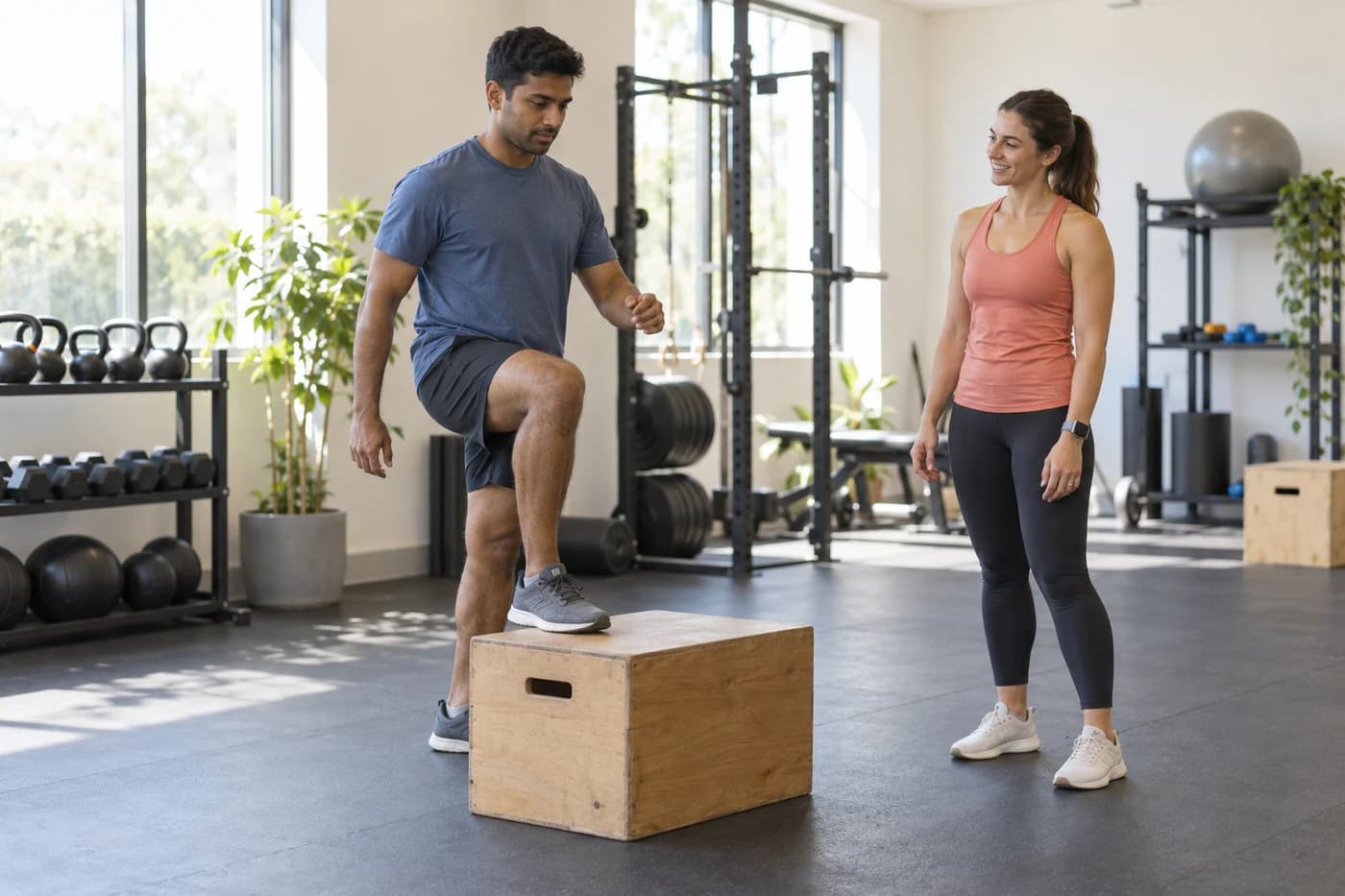


Whatever activity matters to you, the interruption matters too.

Meet the clinician
Consultant orthopaedic surgeon with an interest in sports and soft-tissue surgery. An assessment starts with your account of what keeps happening.
Your experience comes first
It may be the same activity, a similar point in a session, or a pattern that has changed over time. Your own details matter.
A walk, a run, a training session. You want to do something you enjoy or need to do.
Pain, pressure or tightness builds. Some people also notice tingling, numbness or weakness.
Rest may help. Then another session may bring the symptoms back, leaving you with questions.
You do not have to start from scratch
Choose the information that is most useful to you now.
Understand what an assessment considers, how other causes are explored, and when a test might help.
Understand assessmentMake sense of the treatment choices, their limits, and the questions to ask about recovery and your activity.
Explore your optionsA conversation with a purpose
Especially when you have had to stop doing something you value, or previous tests have left questions.
What happens in an assessmentDescribe what you do, where symptoms start, what makes you stop, and what changes at rest. The questionnaire can help you organise that story.
Similar lower-leg symptoms can have different explanations. History and examination help guide what to investigate.
The team explains the purpose of each investigation and how the findings inform your plan.
Compare the treatment options with the clinical team and build a plan around your diagnosis and activity goals.
Make the pattern easier to explain
Your account guides the clinic pathway: MRI with contrast of both calves, blood tests close to the scan, then consultation and compartment pressure testing with Professor Lee at the same booked visit. The forthcoming free ExtPress™ app will help you record exercise, symptom onset and measurements; ordinary notes are useful now.
A goal that belongs to you
Your goal might be an everyday walk, recreational sport, training with friends, or time outdoors. Say what you want to take part in — and what symptoms are getting in the way.
It is okay to have questions
No. CECS is one possible explanation. Bone stress injuries, shin splints, nerve and circulation problems can produce similar symptoms. Your history and an examination help a clinician decide what to consider next.
Bring the reports and details of what was measured, including the timing of any pressure test. A clinician can consider these alongside your current symptoms and explain whether further investigation could help.
ExtPress™ is a free app currently in development. Its planned diary, per-leg measurements and reviewed clinical records will support the clinic pathway. You can arrange MRI, blood tests, consultation and compartment pressure testing directly without using the app.
Start with a free call with the MSK admin team. They can discuss arranging a clinical assessment, available locations and fees. This practical team call is not a medical consultation.
Clinical background: NHS compartment syndrome guidance and the 2022 CECS clinical consensus.
Start where you are
Prepare your symptom history for Professor Lee’s clinical team, or speak with the admin team about arranging a CECS consultation.